Keep valuations ready for credit
Submit net asset value reports under assigned authority. Track reporting periods, signatures, revisions, and the requirements for acceptance.

Report the valuation. Keep a clear record.

See what needs reporting.
Review covered assets, assigned reporters, and reporting requirements before preparing a valuation.

Submit with a clear period.
Record the value, effective date, reporting period, and signature deadline in each signed report.

Follow every revision.
Link corrections to the original report so credit teams can follow the valuation history.

Monitor freshness and quorum.
See whether reports meet the timing and required signature thresholds needed to support facility actions.

Spot reporting restrictions.
Review stale or frozen valuation states before preparing the reports needed for the asset’s next action.
Report with context. Link the period and value.
Use the approved asset, reporting currency, and precision required for the valuation route.




Asset valuation at market scale.
$8.00B
Distributed tokenized credit value
$36.93B
Represented tokenized credit value
2,609
Tokenized credit assets tracked
RWA.xyz snapshot, 04 OCT 2026. Distributed and represented value are different tokenization scopes. These figures are not added together. Industry market data.

Review report history.
- Link each correction. Reference the original report and revision number so corrections retain their valuation lineage.
- Mark the final report. Indicate whether a report is final or a further revision is expected.
- Check the acceptance state. Follow validation, expiry, and acceptance status before treating a valuation as usable for facility actions.
Reporting roles. People, periods, values.

Respond to enquiries.
Answer issuer and manager questions with reporting context tied to the relevant asset.

Propose reporting cadence.
Share an expected reporting schedule when responding to a valuation enquiry.

Review change thresholds.
See valuation jump limits that can trigger a restriction or freeze.

Inspect launch context.
Review initial pricing context and its trust status where the asset policy provides it.

Check team permissions.
Review which wallets hold reporting and enquiry responsibilities within your entity.

Flag reporting incidents.
Raise valuation, reporting, or compromised-access issues with evidence for the responsible team.
Valuation guides.
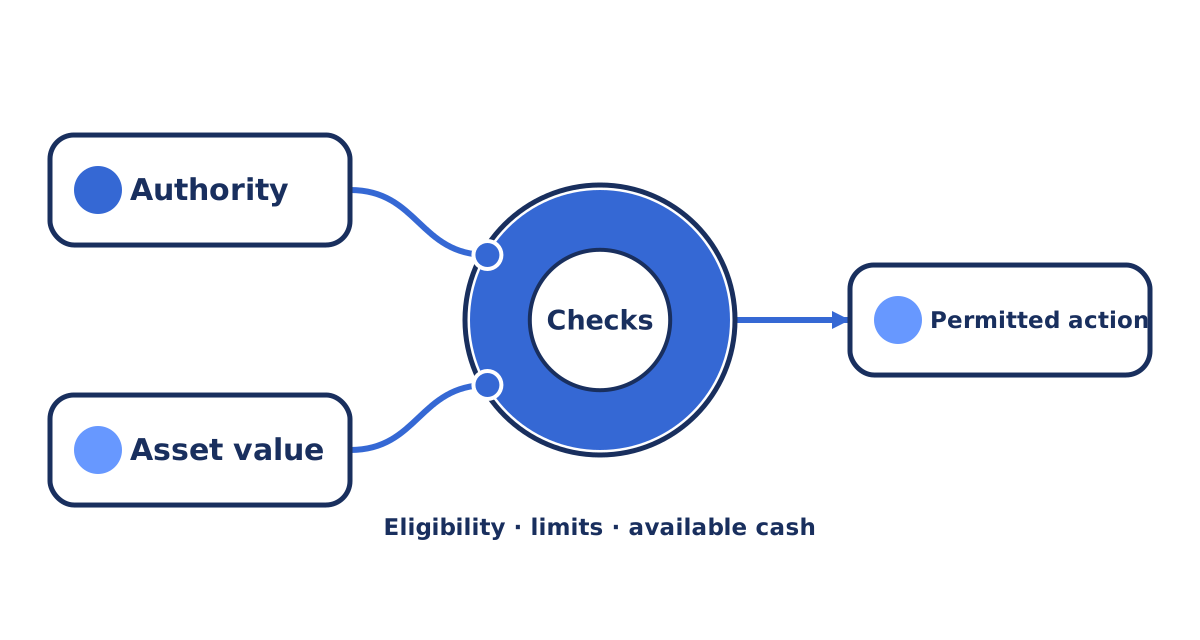
Why credit needs operating controls.
Review assigned permissions, draw limits, valuation requirements and withdrawal queues to understand which facility actions can proceed under governing terms.
Read guide

Recovery rules at origination.
Review the valuation requirements, recovery authority, sale conditions and investor loss allocation recorded at origination before a borrower draws funds.
Read guide
Reporting questions.
Read the documentationReports must come from an authorized reporter or signer for the applicable asset and route. A workspace role alone does not bypass asset-specific reporting permissions.