Compare credit models
TORQ, Aave V4, Morpho Vault V2, and Maple put capital to work in different ways. Compare who sets the rules, how loans are funded, and when capital can return.
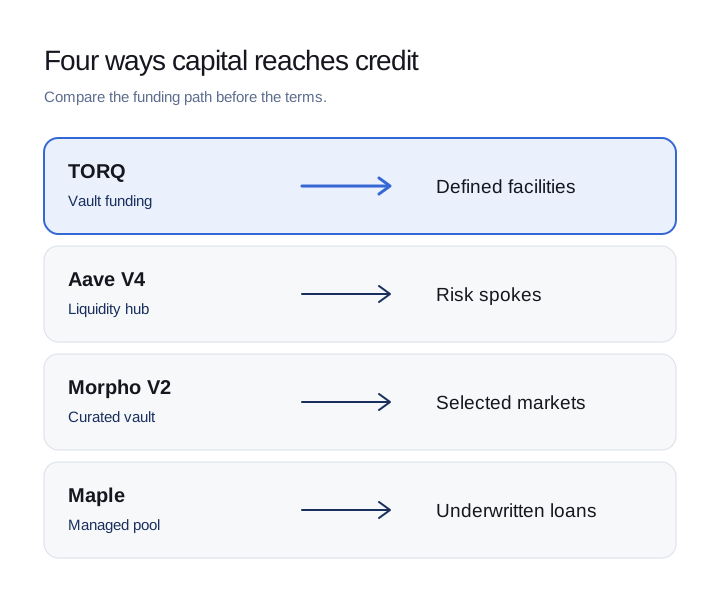
Review the TORQ operating model.

Where capital goes.
Trace capital from each funding vault into its loans, then review the repayments and losses attributable to that vault’s investor positions.

Who sets the rules.
Review the named asset manager and assigned roles responsible for vault configuration, capital allocations, and actions within the mandate.

Borrower model.
Review borrower eligibility, supported collateral, and facility terms before assessing the draw limits and funding available to a position.

How investors exit.
Available cash can fund immediate payouts, while any shortfall enters the redemption queue and remains subject to the vault’s payout limits.


Industry context for credit infrastructure.
$14.82B
Tokenized U.S. Treasuries: distributed value
$8.00B
Tokenized credit: distributed value
2,609
Tokenized credit assets tracked
RWA.xyz snapshot, 04 OCT 2026. Dollar figures show distributed value. The credit asset count includes represented assets. Industry market data.
Check the specific opportunity.
- What happens after a loss. Charged to the funding vault
- Exposure to review. Vault, facility, and capital priority
- Access rules. Vault participation policy
- Withdrawal constraint. Cash, queue, and payout limits
How the four models differ.


Funding and control.
- Where capital goes
- TORQTracked from vault to each loan
- Aave v4Shared pool across borrowing markets
- Morpho V2Vault allocates across selected markets
- MapleManaged pool funds loans
- Who sets the rules
- TORQNamed vault manager and assigned roles
- Aave v4Governance sets market risk limits
- Morpho V2Curator sets limits. Allocator invests.
- MaplePool delegate selects and manages loans
- Borrower model
- TORQApproved borrower and facility terms
- Aave v4Borrow against eligible collateral
- Morpho V2Borrow in selected markets
- MapleLoans underwritten by pool delegate
Exits and losses.
- How investors exit
- TORQCash pays now. Shortfall joins queue.
- Aave v4Withdraw when the pool has spare cash
- Morpho V2Uses vault or underlying market liquidity
- MapleRequest withdrawal under pool rules
- What happens after a loss
- TORQCharged to the funding vault
- Aave v4Collateral may be sold. Hub bears bad debt.
- Morpho V2Underlying market loss reduces vault value
- MaplePool records default. Collateral may be sold.
These are operating models. Terms, assets, liquidity, and access depend on the specific vault, market, or pool.
In terms of collateral management, tokenisation could enhance the mobility of collateral, simplify collateral access and posting, and reduce reconciliation costs.
Credit guides.
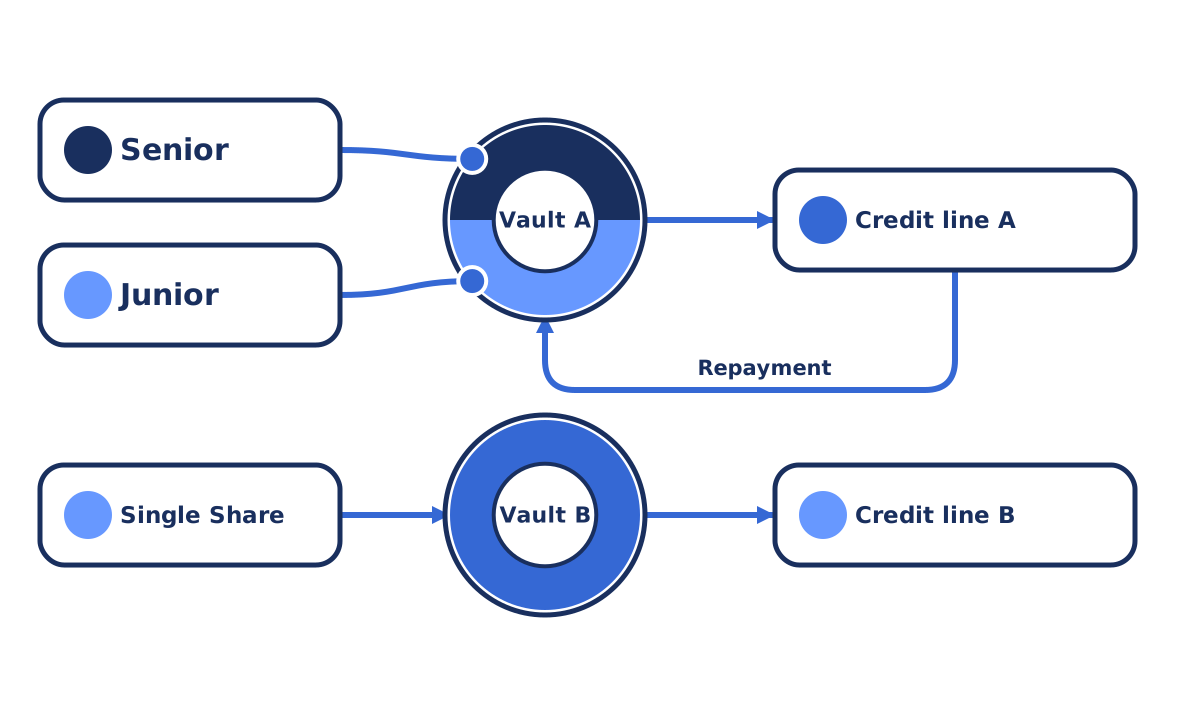
How vault-funded lending works.
See how capital moves from a vault into loans, repayments, and loss allocation, with each outcome attributed to the capital that funded it.
Read guide

Why credit needs operating controls.
Review assigned permissions, draw limits, valuation requirements and withdrawal queues to understand which facility actions can proceed under governing terms.
Read guide
Mandate questions.
Discuss your mandateWhen a manager needs vault funding for defined credit facilities and wants loan outcomes attributed to the vault that funded them. Confirm the specific vault's access, capital priority, and exit rules.