Prepare your assets for financing
Give asset managers the token information and valuation context needed for review. Coordinate reporting responsibilities and asset submissions.

Prepare the asset. For credit review.

Present an identifiable asset.
Connect the token address, asset name, symbol, and supporting context in one submission.

Bring valuation into focus.
Propose a signed net asset value report or supported price feed with clear reporting expectations.

Route your asset for review.
Choose a preferred asset manager and track the submission’s progress toward a listing decision.

Track asset support.
See whether your asset is supported, restricted, frozen, or retired before discussing facility participation.

Keep reporting context current.
Follow reporter assignments and feed freshness so managers can assess whether valuation requirements are met.


Credit assets across tokenization scopes.
$8.00B
Distributed tokenized credit value
$36.93B
Represented tokenized credit value
2,609
Tokenized credit assets tracked
RWA.xyz snapshot, 04 OCT 2026. Distributed and represented value are different tokenization scopes. These figures are not added together. Industry market data.
Present the asset. Put its terms in context.


Every stock, every bond, every fund—every asset—can be tokenized.

Keep valuations current.
- Link reporting responsibilities. Connect the asset with approved reporters or feed providers through the supported valuation route.
- Review freshness requirements. Check reporting cadence and freshness expectations that affect whether the asset can support facility actions.
- See the support state. Follow valuation and support status before treating your asset as ready for financing.
Define the asset. Its rights and reporting.

Explain token behavior.
Bring transfer fees, rebasing, and token restrictions into the asset review.

Define manager access.
Identify approved managers who may continue setup for your submitted asset.

Share your asset identity.
Provide the asset logo, name, and symbol used to identify your token in review.

Keep enquiries connected.
Coordinate asset questions and review follow-ups through your issuer workspace.

Review team authority.
See the wallets and roles responsible for submissions, edits, and reporter connections.

Raise asset incidents.
Report token, valuation, or compromised-access issues with the affected asset and supporting evidence.
Prepare for credit review.
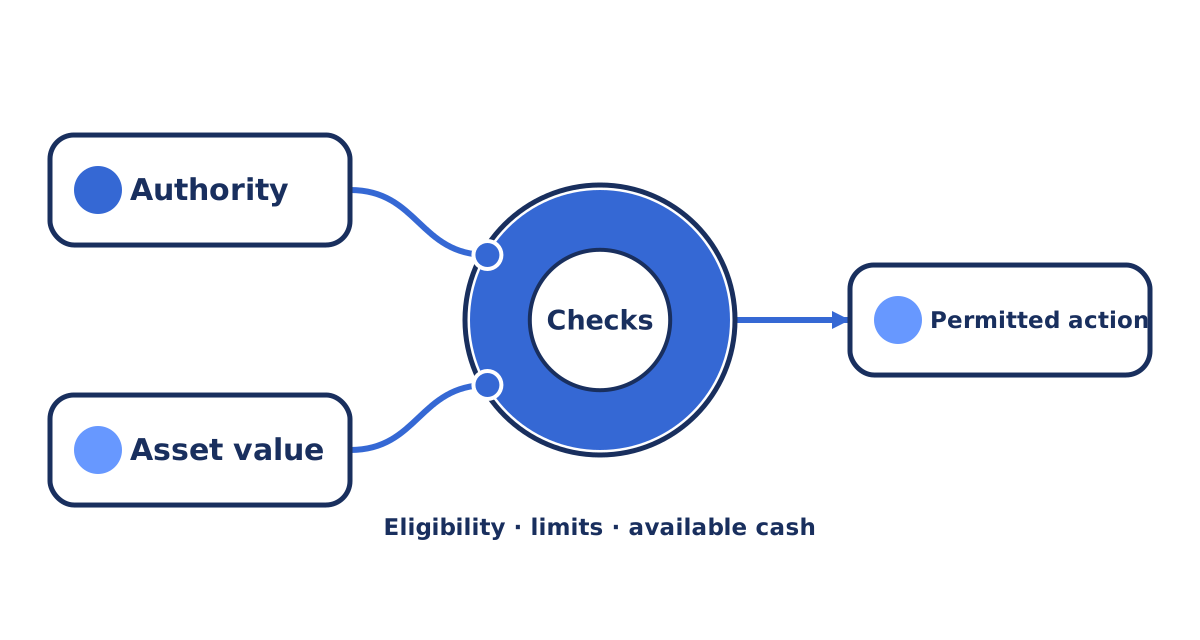
Why credit needs operating controls.
Review assigned permissions, draw limits, valuation requirements and withdrawal queues to understand which facility actions can proceed under governing terms.
Read guide

Recovery rules at origination.
Review the valuation requirements, recovery authority, sale conditions and investor loss allocation recorded at origination before a borrower draws funds.
Read guide
Asset questions.
Read the documentationSubmitting an asset does not secure financing. Listing, collateral eligibility, facility approval, capital availability, and financing terms are separate decisions.